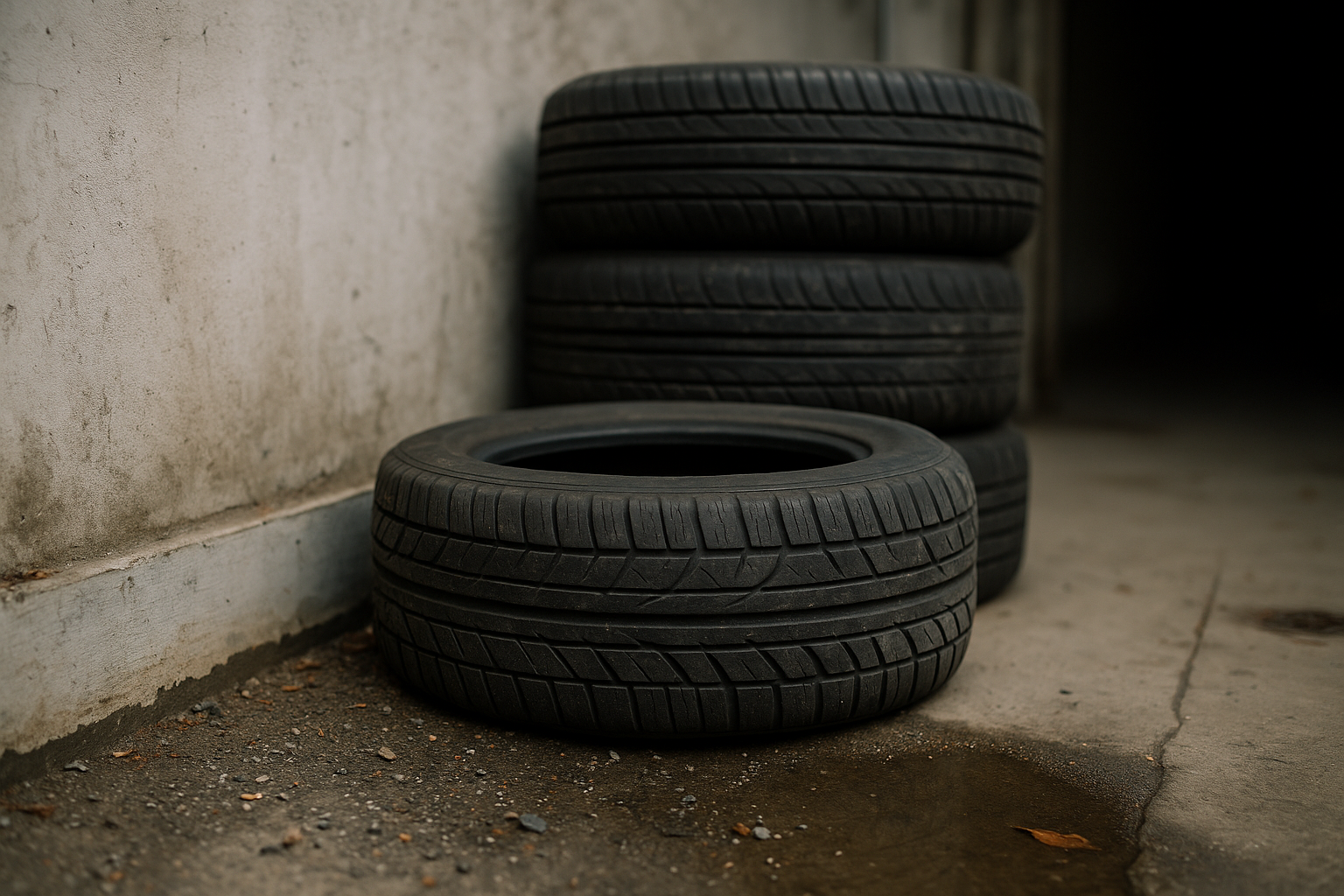
Is it worth buying used tires?
Outline:
– Section 1: Why drivers consider used tires—context, benefits, and trade-offs
– Section 2: Safety first—how to inspect a used tire like a pro
– Section 3: Counting the costs—price, value, and total cost of ownership
– Section 4: Environmental impact—reuse, retread, and recycling
– Section 5: Buying checklist and final verdict
Why Drivers Consider Used Tires: Context, Pros, and Trade-offs
Used tires tempt many drivers for practical reasons: budgets are tight, vehicles change hands often, and not every car needs a full set of fresh rubber to make it to the next chapter. A single replacement after a nail, a leased sedan nearing turn‑in, a commuter car due to be sold within months—scenarios like these make a gently worn tire look reasonable. Price is an obvious motivator: while new passenger tires commonly range from triple‑digit figures per tire depending on size and performance rating, used options can run noticeably less, often translating to savings of 30–60% before installation. Yet the headline price is only part of the picture; lifespan, safety margin, and unknown history matter just as much.
To weigh the proposition, start with wear. Legal minimum tread depth in many regions is 2/32 inch (about 1.6 mm), but practical safety thresholds are higher. For everyday wet‑road grip, many technicians recommend replacing around 4/32 inch; for snow‑belt duty, 5/32 inch or deeper sustains winter traction. Age is another critical variable. Many manufacturers advise annual inspections after five years in service and replacement by ten years regardless of tread; when buying used, many safety‑minded shoppers aim for a window under six to eight years because aging rubber can harden and crack even when grooves look healthy.
Pros include lower upfront cost, immediate availability of odd sizes, and the chance to match an existing set when only one tire failed. Cons revolve around risk: hidden patches, prior overloads or underinflation, impact damage, or heat cycling that has fatigued the casing. Warranties on used tires are often minimal to nonexistent. Still, with careful selection and clear expectations, used tires can serve specific needs well. Think of them as a bridge, not a lifetime foundation—sensible for a limited horizon, especially when the tire’s history and measurements support the decision.
Good candidates generally share a few traits: ample remaining tread, even wear patterns, no repairs in the sidewall, and a manufacturing date that keeps them within a reasonable age window. Riskier candidates often show feathered edges, cupping, bulges, or mismatched tread depths that could upset handling. The calculus, then, is to pair your driving timeline with the tire’s remaining life—and to verify, rather than assume, what that life looks like.
Safety First: How to Inspect a Used Tire Like a Pro
Safety is the fulcrum on which the used‑tire decision balances. A methodical inspection turns guesswork into grounded judgment. Begin with tread depth. A pocket gauge is inexpensive and far more reliable than eyeballing; measure across the inner, center, and outer ribs. Differences greater than 2/32 inch across the width suggest alignment or inflation issues that could persist on your car. As a rule of thumb: consider 6–8/32 inch as a healthy remainder for general use, 4–5/32 inch as a short‑term option, and anything near 3/32 inch as approaching replacement territory.
Scan the tread and shoulder for repairs and injuries. A properly done puncture repair uses a patch‑plug from the inside and is limited to the “crown” (the central tread area). Avoid tires with punctures near the shoulder, multiple overlapping repairs, or any sidewall repair—sidewalls flex constantly, and patched sidewalls are widely considered unsafe. Look for embedded objects, exposed cords, cuts, and stone drilling in grooves. Feel for flat spots by running your palm over the circumference; a rhythmic thump during a slow roll can hint at uniformity issues.
Sidewalls deserve slow, close attention. Bulges indicate broken cords; deep cracks, weather checking, or blistering suggest aging or heat damage. Tiny surface creases can be cosmetic, but networks of deeper cracks are a red flag. Inspect both sidewalls and the bead area (the inner edge that seals against the rim) for nicks or deformation. On the inside, check the liner for patches and scuffs; a clean inner liner with a single professional repair in the crown is often acceptable for short‑term use.
Decode age using the DOT date code molded on one sidewall: the last four digits show week and year (for example, 2319 means week 23 of 2019). For a used purchase, many shoppers target under six years old to keep a buffer against age‑hardening. While you’re at it, compare tires intended to run on the same axle. Tread depths should be closely matched—ideally within 2/32 inch—to maintain balanced braking and traction. For vehicles with sensitive drivetrains, keeping circumference differences small helps prevent stress on differentials.
Finish with practical checks: inflate to spec and listen for leaks, dunk the tread in water or use a soapy spray for bubbles, and spin the tire on a balancer to watch for wobble. When possible, ask the seller for a return window, even a short one, in case hidden issues emerge once mounted. A careful, step‑by‑step inspection may add minutes to the purchase—but it can add months of confident driving.
Counting the Costs: Price, Value, and Total Cost of Ownership
Sticker price can be persuasive, but total cost of ownership tells the real story. Consider a simple model. Suppose a new all‑season tire starts around 10/32 inch of tread and, under mixed driving, you plan to replace it near 3/32 inch, leaving 7/32 inch of usable tread. If that new tire costs a mid‑range price, your cost per 1/32 inch of usable tread is that price divided by seven. A used tire with 6/32 inch remaining and a substantially lower price may yield a similar—or even lower—cost per 1/32 inch, especially if installation fees are comparable.
Installation, balancing, and disposal fees matter. Mounting and balancing often run a modest fee per tire; add disposal or recycling charges where applicable. An alignment, while optional, protects your investment by preventing rapid edge wear; skipping alignment can erase any savings fast if the car is already out of spec. Don’t forget fuel economy: underinflated or irregularly worn tires can nudge consumption upward, another silent cost that compounds over time.
Longevity assumptions deserve nuance. Miles per 1/32 inch vary widely with driving style, vehicle weight, road surface, rotation habits, and maintenance. A rough planning range is 1,500–2,000 miles per 1/32 inch for many passenger cars in mixed conditions, but your results may differ. Using this range, a used tire with 6/32 inch left could deliver perhaps 9,000–12,000 miles under average conditions—plenty for a vehicle you’ll sell soon, a lease near its end, or a seasonal setup you’ll swap out. If your horizon is 30,000 miles or more, a new tire’s warranty support and longer runway may justify the higher upfront spend.
Risk has a price tag too. New tires often come with manufacturer warranties covering workmanship and, in some cases, road hazards under specified terms. Used tires are typically sold “as‑is” with minimal recourse. A hidden defect can force an early do‑over, effectively raising your total cost. To balance that, focus on higher‑quality used inventory with verifiable tread, clean sidewalls, and recent manufacturing dates, and buy from sellers who offer transparent grading and a short return period.
When does used deliver strong value? Examples include: replacing one tire to match a set with midlife tread, outfitting a car you’ll part with soon, bridging a gap before buying a full set, or sourcing rare sizes. When does it fall short? High‑performance driving, heavy towing, extensive highway mileage plans, or severe‑winter commutes typically reward the predictability and full‑life support of new tires.
Environmental Impact and Sustainability: Reuse, Retread, and Recycling
Tires are resource‑intensive products built from rubber compounds, textiles, steel, and energy. Each new tire represents significant material extraction and processing, so squeezing additional safe miles from an existing casing can translate to meaningful environmental gains. Reuse is the simplest extension of life: choosing a sound used tire delays end‑of‑life handling and reduces demand for new production. This is especially relevant given that modern economies generate vast numbers of scrap tires annually, with mature markets handling hundreds of millions each year through recycling and energy recovery programs.
Retreading, common in commercial fleets, is another lever. By preserving the casing and applying new tread, retreading can cut raw material usage substantially compared with manufacturing a new tire and keep casings in service for multiple cycles when they pass rigorous inspection. While passenger‑car retreads are less prevalent than truck retreads, the principle underscores a hierarchy of sustainability: reduce, reuse, retread, and finally recycle.
End‑of‑life pathways vary in impact. Mechanical recycling turns tires into crumb rubber for playground surfacing, molded goods, athletic fields, and rubberized asphalt. Energy recovery facilities may use tire‑derived fuel in controlled industrial settings. The goal is to avoid unmanaged stockpiles or open burning, which can create long‑lasting environmental and public‑health hazards. As a consumer, you can nudge the system by choosing shops that certify responsible disposal and by asking where your old tires are headed.
Tire wear particles are an emerging topic in environmental science. Regardless of whether a tire is new or used, poor maintenance—chronic underinflation, misalignment, or aggressive driving—accelerates wear and increases particulate generation. The most practical, immediate step you can take is meticulous maintenance: keep pressures set to your vehicle’s specification, rotate on schedule, and correct alignment promptly. These habits extend service life, improve safety, and reduce waste simultaneously.
From a sustainability viewpoint, the case for used tires is situational: when safety criteria are met and the remaining life aligns with your needs, reuse is a responsible choice that conserves materials and energy. If a used tire fails key checks—deep cracks, structural damage, minimal tread—then recycling it promptly and choosing a safer alternative is the greener path. Thoughtful decisions at purchase, during use, and at disposal form a full‑circle approach that respects both your budget and the environment.
Buying Checklist and Final Verdict
Turn research into action with a clear checklist you can carry to the seller. Walk in with a gauge, a flashlight, and time to inspect slowly. Verify size, speed/load ratings, and that any pair intended to share an axle has closely matched tread depths and similar construction types. If possible, see the tire mounted and spun on a balancer to check for hops or wobbles. Ask about return or exchange policies, even if brief; a small grace period adds real peace of mind.
Quick checklist highlights:
– Tread depth: target 6/32 inch or more for general use; 5/32 inch or more for winter service.
– Wear pattern: even across the width; no cupping, feathering, or severe shoulder rounding.
– Repairs: only professional patch‑plugs in the crown; avoid sidewall or multiple overlapping repairs.
– Sidewalls: no bulges, cuts, or deep cracks; beads clean and undamaged.
– Age: DOT date code within a cautious window—often under six years for used purchases.
– Match: keep tires on the same axle within about 2/32 inch of each other in tread depth.
– Test: hold air at the correct pressure; no bubbles in a soapy‑water test; smooth spin on a balancer.
– Paperwork: a short return window and clear grading, if offered.
So, is it worth buying used tires? It can be—provided your expectations align with the tire’s remaining life and condition. Used is particularly sensible for short‑to‑medium horizons, single replacements to match an existing set, or vehicles nearing sale. It is less compelling for long‑mileage plans, sustained high‑load use, or maximum winter confidence where fresh, deep‑treaded rubber provides a wider safety margin. The magic is in verification: measurements, inspection, and a willingness to walk away from anything that fails a check.
Final take for budget‑minded, safety‑focused drivers: choose only clean, evenly worn casings with ample tread and verifiable age; pay fairly after factoring installation and alignment; and commit to diligent maintenance once mounted. That approach delivers the core advantages of used tires—cost control and resource conservation—without shortchanging safety. When conditions are right, secondhand rubber can be a thoughtful, well‑reasoned choice; when they are not, passing on a questionable tire is money saved and risk avoided.


